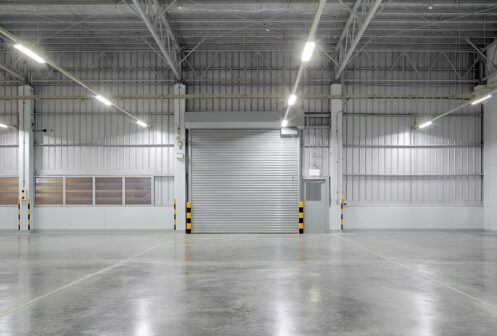
With new flooring, you’re not just thinking about how it looks. You want to know how long it will last and whether it can handle everyday use. In general, professionally installed acrylic flooring can last for several years, but the exact lifespan depends on the surface preparation, foot traffic, moisture exposure, UV exposure, cleaning habits, and where the flooring is installed. At Valley Concrete Coatings & Polishing in Phoenix, AZ, we help customers choose flooring systems that match real-world conditions, not just what looks good on paper.
This article will explore how long acrylic flooring holds up in everyday conditions.
What Acrylic Flooring Is and Why It Affects Lifespan
Acrylic flooring is a protective coating system that is applied over concrete to improve durability, appearance, and resistance to everyday wear. While not as thick or impact-resistant as epoxy, an acrylic overlay offers a durable surface that resists moisture and staining when used in the right setting. It is often used in garages, basements, and light-duty indoor spaces. Acrylic coatings dry faster and can offer more flexibility in areas exposed to temperature changes, sunlight, or light to moderate traffic.
This matters because the lifespan of acrylic flooring depends heavily on where it is installed and how the space is used. Acrylic can be a strong choice for garages, patios, basements, walkways, and light commercial spaces when the surface is properly prepared and maintained. It may not be the best fit for areas with heavy machinery, harsh chemicals, or constant impact, but in the right setting, it can provide a long-lasting, attractive finish that is easier to refresh or recoat over time.
Foot Traffic and Daily Wear Have a Big Say
Where your floor is and what it sees daily will always affect how long it holds up. Acrylic flooring in a quiet home office or finished basement might look the same five or ten years after installation. But the wear shows up faster in a kitchen or workshop where people walk constantly or drop heavy tools. Acrylic resists scratches, but it’s not invincible. Dragging furniture or using the floor for a work surface can scuff the top layer or wear down the surface finish.
In high-traffic spots, that wear builds gradually. You might notice shine fading or edges that look duller. That doesn’t mean the material failed; it just reflects how it’s used. In low-use areas, you might not see any noticeable changes for years. But if your floor sees steady foot traffic or the regular movement of carts, tools, or equipment, the surface may need touch-ups sooner. In these environments, the lifespan of acrylic flooring depends on how often it’s used and the level of physical stress it takes on over time.
Moisture and Temperature Can Shorten or Extend Lifespan
Acrylic floors handle spills and splashes well, but prolonged exposure to moisture can still cause damage. If water is left standing for too long, or if the surface underneath wasn’t properly sealed or prepped, you might see bubbling, peeling, or spots where the coating lifts away from the surface. These problems show up more often in garages, around pools, or spaces with poor drainage or limited ventilation.
Temperature fluctuations also play a role. Acrylic tends to handle expansion and contraction better than some other coatings, but constant extremes, like sun-baked surfaces in the summer or frigid floors in the winter, can take a toll. Over time, the surface may lose adhesion, develop cracks, or wear unevenly.
If your floor is in a well-ventilated, climate-controlled area and rarely sees standing water, it’s likely to last longer. In contrast, floors exposed to regular puddles, humidity, or a lot of sun may need touch-ups or recoating sooner. The quality of the installation matters too. If the surface wasn’t properly prepared or the coating didn’t cure under the right conditions, premature wear is likely.
Cleaning Habits Make a Difference Over the Years
The way you clean acrylic flooring can either protect the surface or wear it down faster than expected. In Phoenix homes and businesses, dust, sand, and fine grit can get tracked inside easily, especially near garages, patios, pool decks, and entryways. When that debris sits on the floor and gets walked over, it can act like sandpaper, creating small scratches that dull the finish and make it easier for dirt and moisture to settle into the surface.
To help acrylic flooring last longer, sweep or dust mop regularly and clean spills before they have time to sit. For routine mopping, use a mild, pH-neutral cleaner instead of harsh chemicals, ammonia-based products, or abrasive scrub pads. It is also smart to place mats near high-traffic entrances and avoid dragging heavy furniture, equipment, or tools across the surface. These simple habits can help preserve the top layer, keep the floor looking cleaner, and reduce unnecessary wear.
Even with proper care, busy areas may eventually need a fresh topcoat to restore protection and appearance. This is especially true for commercial floors, garage floors, outdoor areas, or spaces exposed to frequent foot traffic, UV rays, moisture, or debris. Regular maintenance does not just keep the floor looking better. It helps protect the coating system underneath, which can extend the useful life of the acrylic flooring and delay the need for more involved repairs or replacement.
Installation Quality Matters
Acrylic flooring performs best when it’s installed under the right conditions. Temperature, humidity, and surface preparation all play critical roles. If the concrete wasn’t clean, dry, or properly primed, the acrylic might not bond the way it should. That can lead to problems like peeling, bubbling, or delamination. In some cases, those issues show up within the first year. In others, they develop slowly after seasonal shifts or regular use exposes weak spots.
Improper curing is another concern. If the installer rushed the job or didn’t give each layer enough time to set, the surface may wear down faster or never reach full hardness. These shortcuts might not be obvious at first, but they almost always reduce the floor’s long-term durability.
A professional flooring installation ensures that the acrylic bonds evenly and performs the way it’s designed to. It will resist wear, handle humidity well, and adapt to temperature changes. For homeowners, this means fewer problems and longer-lasting performance.
If you move into a home and aren’t sure who installed the acrylic floor or how well it was done, watch for signs like uneven coloring, soft spots, or patches where the coating feels loose or rough. These clues can help you decide whether the floor just needs maintenance or if it’s time to replace it entirely.
How Phoenix Heat and Sun Exposure Affect Acrylic Flooring
Acrylic flooring can be a practical choice for certain Phoenix properties because it offers UV resistance and can handle some expansion and contraction from temperature changes. However, direct sun, extreme surface temperatures, dust, and moisture around pool decks or garages can all affect how long the coating lasts. A professional installer can evaluate where the coating will be used and recommend the right system, surface preparation, and maintenance plan for Arizona conditions.
Contact Your Local Acrylic Flooring Experts
At Valley Concrete Coatings & Polishing, we’ve been helping homeowners and businesses across Phoenix, AZ, and the surrounding areas since 2014. Acrylic flooring can hold up for years without major issues when installed correctly and cared for based on how the space is used.
If you’re considering new flooring and want to know whether acrylic is the right choice, our team can walk you through the pros, cons, and other options to fit your needs. In addition to acrylic systems, we also provide expert concrete surface prep, epoxy flooring, and decorative flake systems to give your space a clean, durable finish that lasts.
Contact us today to schedule an appointment with one of our experienced team members.